A defined jawline is one of the most requested aesthetic goals, but not every treatment delivers the same result. As an oral and maxillofacial surgeon in Dubai, Dr. Ricardo Mole explains the difference between surgical and non-surgical jawline contouring, and when each is the right choice.
What Actually Defines a Jawline
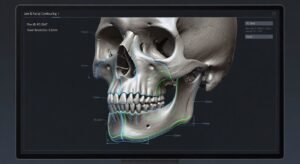
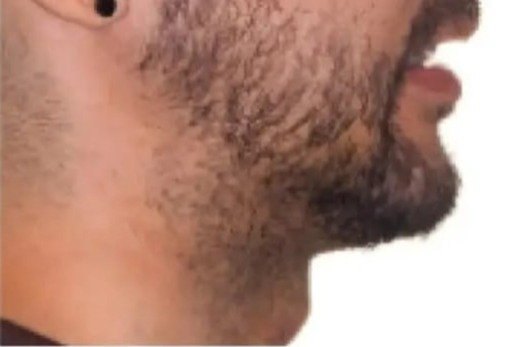
A strong, balanced jawline depends on the underlying bone structure of the jaw and chin, the soft tissue over it, and how the lower face relates to the rest of the profile. Because the foundation is bone, some concerns can only be addressed surgically.
Non-Surgical Options
Non-surgical treatments can refine a jawline that is close to balanced already:
- Dermal fillers can add definition to a slightly recessed chin or soften a jaw angle.
- Skin tightening treatments may help mild laxity along the jaw.
These are temporary, work at the surface, and cannot change bone position or correct a significantly weak, wide or asymmetric jaw.
Surgical Jawline Contouring
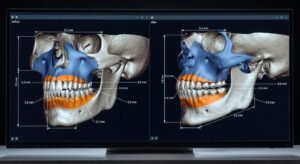
Surgery reshapes the actual framework of the lower face for a permanent, structural change. This may include jaw and chin (genioplasty) contouring and, where the bite is also involved, corrective jaw surgery. Every case is planned in 3D so the change is measured and simulated before the procedure.
Which Is Right for You?
If your concern is minor and skin-deep, a non-surgical option may be enough. If your jawline is genuinely weak, wide or asymmetric, or your bite is affected, surgical contouring gives a result that fillers cannot. The only way to know is a proper assessment.
To find out which approach suits your face and goals, book a consultation with Dr. Ricardo Mole at Palm Jumeirah, Dubai.