Orthognathic surgery, often called corrective jaw surgery, treats problems with the position and alignment of the jaws. This guide from Dr. Ricardo Mole, a DHA-licensed oral and maxillofacial surgeon in Dubai, explains who needs it, how it works, and what to expect.
What Orthognathic Surgery Corrects
Jaw surgery is used when the upper jaw, lower jaw, or both are out of position. Common reasons include:
- Underbite, where the lower jaw sits ahead of the upper jaw.
- Overbite, where the upper jaw or teeth project too far forward.
- Open bite, where the front teeth do not meet.
- Facial asymmetry, where one side of the jaw differs from the other.
Beyond appearance, these issues can affect chewing, speech, and even breathing.
How It Is Planned
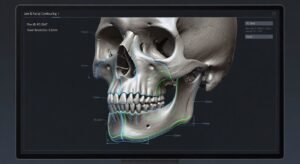
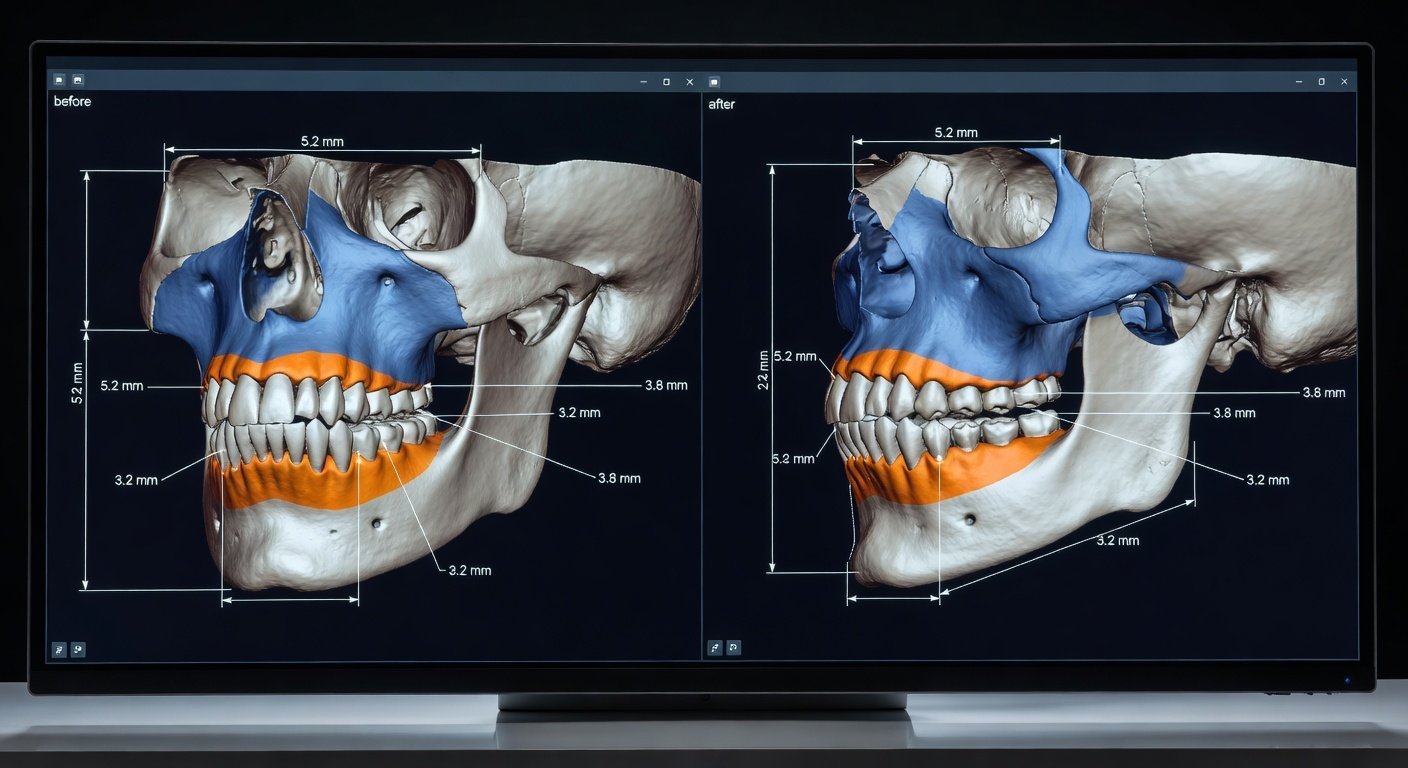
Every case begins with 3D imaging and digital planning. The jaw movements are simulated and measured on screen before surgery, so the plan is proven in advance rather than judged in the moment. This precision means safer, more predictable results and a profile designed around your own anatomy.
The Procedure
Surgery is performed from inside the mouth, so there are no visible facial scars. The jaw is repositioned to its planned location and secured while it heals. Depending on the case, one or both jaws may be treated in a single procedure.
Recovery in Brief
Most patients return to light activities within about two weeks, with swelling settling over the following weeks and full bone healing over three to six months. Diet progresses from liquids to soft foods and then to normal eating as healing allows.
Is It Right for You?
If you have a bite or jaw concern that orthodontics alone cannot fix, orthognathic surgery may be the answer. A consultation and assessment is the best way to understand your options.
To discuss corrective jaw surgery in Dubai, book a consultation with Dr. Ricardo Mole at Palm Jumeirah.